

Chickpea Flour Is Underrated
#WHATHEALTHYMODELSEAT
Have you ever heard of chickpea flour (also known as garbanzo flour)? To some of you, it might sound yucky, but it’s actually a staple ingredient in many Indian, Pakistani, Nepali, Mediterranean and Middle Eastern cuisine where it’s transformed into a variety of crepes, crusts, breads, sauces and battered dishes. I may even be a little shy from the versatile uses of this super-flour!

Made from dry ground chickpeas, it’s a fantastic alternative to wheat and soy flour since it’s naturally gluten free, vegan and grain free. It’s definitely a must have flour for baking and cooking and always stocked in my cupboard! Admittedly, it sometimes gets forgotten because of my love affairs with coconut flour and almond flour. However, chickpea flour is just a resourceful and you can use it in almost anything savoury and sweet. The taste is not as sweet as coconut or almond flour, but I do find it’s easier to substitute it in a recipe that may call for wheat flour.
One of my favourite baking brands is a Canadian company called Cuisine Soleil. They carry a wonderful selection of gluten free flours that promises to be 100% organic, allergen free and a quality you can count on! Did I mention they were Canadian? 🙂 Their chickpea flour is an excellent source of protein (compared to other flours), high in dietary fiber and perfectly suitable for vegans and vegetarians like myself.
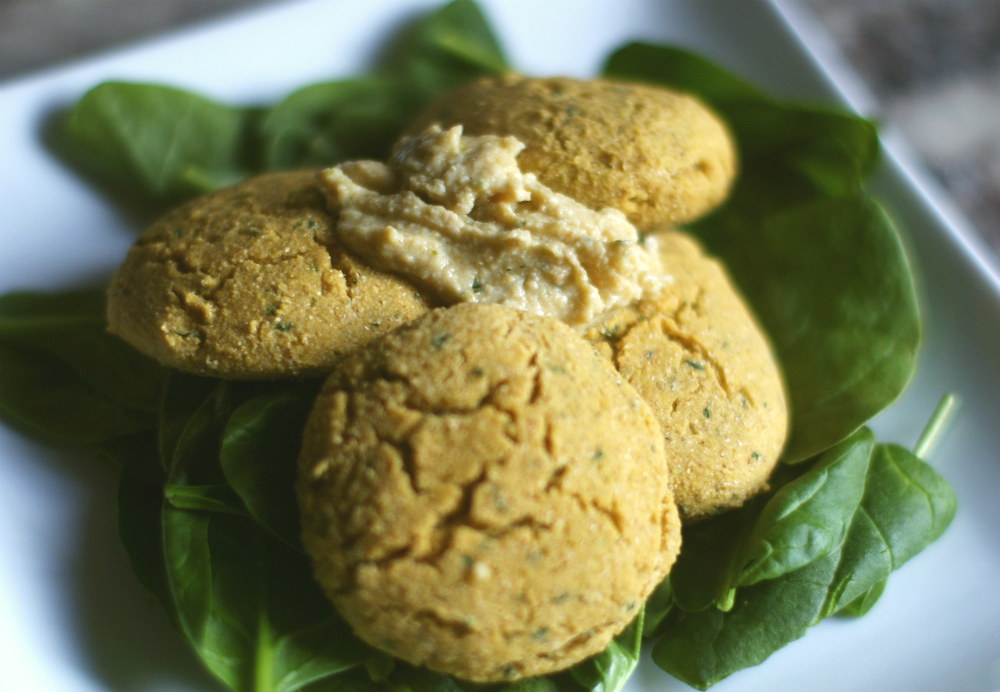
The most common thing to make from chickpea flour is socca bread. It’s simple, easy to make and a perfect introduction to chickpea flour. But the other day, I had a major craving for flavourful falafel balls. My problem is that whenever I order it from restaurants, it’s smothered in what’s probably a ton of canola oil (yuck!) and heavily fried in table salt. And there’s also a chance that it’s not gluten or wheat free. So like most comfort food, I make a healthier version of my own so that cravings are satisfied and arteries aren’t getting clogged! Haha!
What you’ll need:
1 cup of organic chickpea flour (Cuisine Soleil Chickpea Flour)
1/2 tsp of sea salt or Himalayan salt
1/4 teaspoon of baking soda
2 tsp of parsley flakes
1/2 tsp of cumin powder
1/2 tsp coriander powder
1/2 tsp of garlic granules or organic garlic powder
1 tsp of onion powder (you can use chopped and finely minced onions if you have the time)
1 tsp of cilantro (flakes)
1/2 cup of HOT water
2 tablespoons of lemon juice (squeezed)
2 tablespoons of extra virgin olive oil or organic cold pressed coconut oil (for frying or drizzling)
Combine all the dry ingredients in a bowl. Make sure you get all of the clumps. Add the hot water and lemon juice to mixture. Stir and combine, Let sit for 10 minutes or so.
The ones I made were deliciously baked. You can fry them too in falafel ball shapes with olive/coconut oil on medium high heat if you want. If baking, preheat oven to 350 F. Using your hands, take some batter and form into desired patties. Place on parchment paper and lightly and evenly coat with oil. Bake for 13 minutes. Flip and bake the other side for another 13 minutes or until brown, crisp and solid.
Serve with greens. Pair with healthy tahini, chutney or hummus!
Breaking News: I Don’t Have A Microwave!
#WHATHEALTHYMODELSEAT
Microwaves should come with warning labels just like cigarette cartons.
I’ve never owned my own microwave. It’s been about 6 years or so actually. When I first moved into my first apartment, I made the conscious decision to never own one. I figured there were other safer ways to heat my food. And quite frankly, microwaved foods never interested me. It never tasted good. My food was always scorching hot when it came out but after a few minutes, the temperature of it dropped drastically. Plus, the thought of an appliance “warming” my food with invisible energy radio waves boggled my mind – it made me very skeptical. You plug it in, press some buttons and voila! Food in a matter of seconds. Then it went straight into my body? Weird!
Microwaves play such a large part in the everyday Western lifestyle; it’s this impressive little everyday gadget that we don’t second guess as much as we should. On top of that, most homes are microwaving processed foods which only means one thing: it’s not real food being eaten. It’s just junk being heated by junk. It may help when you when you’re pressed for time but in the long run, it does more harm than any good. We cannot ignorantly sacrifice our health in return for the convenience of microwave ovens to prepare our meals. Exposure to unnatural radiation cannot be beneficial to our health. Would you be alright getting into a tanning booth (it’s kind of like a large microwave), blasting it on high for a few minutes and then repeating that everyday? Probably not. Because you know it’s not safe and can be damaging. You probably don’t need any scientific facts to justify that for you.
Why should you be concerned about your microwave? Here’s a some fast facts I’ve rounded up for you (some so obvious that you may already know them):
- Nutrients, vitamins and minerals of all microwaved food is depleted or altered so that the human body gets little or no benefit which cannot be brown down
- Microwaved foods cause stomach and intestinal cancerous tumors
- Continual ingestion of microwaved food lowers the immune system and can cause digestive disorders
- Eating food processed from a microwave oven causes permanent brain damage by “shorting out” electrical impulses in the brain
- The prolonged eating of microwaved foods causes cancerous cells that increase in human blood
- The minerals and vitamins in vegetables are converted into cancerous free radicals by microwaves
- Our bodies are unable to metabolize the unknown by-products that are created in microwaved foods
There are many articles about microwaves being harmful and also many articles about it being safer than cell phones. But the point of eating food is to reap the benefits it has to offer and if the nutrients are being depleted by microwaves, why bother? The dangers are there and it is absolutely not necessary to have one.
Bottom line: You don’t need it. I believe that every meal you make should be prepared on purpose with purpose. Life can get hectic and busy, but that doesn’t mean your body has to compromise with crappy food sprayed in a coating of radiation. Not to mention a lot of it is probably wrapped in some sort of BPA, but that’s a whole other issue on it’s own. It’s safer to eat natural foods in raw form which is not only as convenient as microwaved food but much healthier. Our bodies are capable of handling something close to what mother nature gives us but if it’s not, it’s more likely our bodies cannot. Keep in mind, I’m a vegan so a large portion of my meals don’t require any heating. The foods that do, go straight into the conventional oven or reheated in a pan. You”ll be surprised just how easily you can get by without a microwave! Whether or not these facts are “true or false”, if you can reduce the potential risks, would you?
——
Try this home experiment from NaturalNews to understand the potential hazards of microwaving: “Plant seeds in two pots. Water one pot with microwaved water and the other pot with regular tap water. The seeds that received microwaved water won’t sprout. If microwaved water can stop plants from growing, then imagine what microwaved food is doing to your body.”
Healthy Mexican Quinoa Salad

#WHATHEALTHYMODELSEAT
There are a billion and one ways to make quinoa. It’s so versatile and a great replacement for pasta and rice. It’s protein packed, low in fat, easy on the calories and naturally gluten and wheat free. Perfect for vegans like myself, and pretty much for anyone that likes food!
So yesterday I thought I’d spice it up a bit. I am a big fan of Mexican food because of its array of flavours and exotic spices. Honestly, I wish it could be Mexican night every night at my place!
What you’ll need:
1 tablespoon of extra virgin olive oil
2 cloves of garlic, minced
Half an onion, chopped and minced
1 jalapeno
1 cup of organic soaked quinoa
1/2 can of lentils
1 cup of organic corn kernels
1 teaspoon of chili powder
1 teaspoon of paprika
1 teaspoon of coriander
1/2 teaspoon of cumin
Fresh black pepper to taste
A squeeze of lemon
1-2 tablespoons of fresh cilantro leaves
1 cup of pure organic tomato puree (no salt added if possible)
Cook 1 cup of quinoa to 2 cups of water. Or follow brand’s directions.
Heat olive oil in a large skillet over medium heat. Add garlic, jalapeno and onions and saute until fragrant for about 1 minute or so. Add corn, lentils, tomato puree and spices. Add 1/2 cup of water. Cover and simmer for a few minutes. Stir occasionally until thoroughly combined. Stir in cooked quinoa, lemon juice and cilantro. Mix, mix, mix!
Serve immediately on a bed of greens and grab your sombrero! Ole!
Coconut Vinegar Anyone?
#WHATHEALTHYMODELSEAT
I’ve stayed away from balsamic and white vinegars for a few years now mainly because I have read that it feeds candida and yeast growth. I don’t have candida but there are times if I have too much over active yeast in my body, I break out into a rash or infection that’s similar to some candida symptoms. There’s also been a link to candida and cancer which I found interesting this article:
http://www.naturalnews.com/038266_cancer_candida_correlations.html
I was getting a little tired of having my quinoa with just olive oil and lemon until I came across this awesome vinegar product by Organika. It was coconut nectar produced from pure coconut sap (not water.) And if you don’t already know this about me, I’m a huge fan of anything that’s coconut! There’s a whole spectrum of surprising food ingredients and products derived from coconut trees from coconut water to coconut milk and now coconut nectar vinegar. Coconuts are all the rage these days!

The difference between coconut vinegar and other vinegars (besides raw ACV) is that it does not go through any form of pasteurization after the completed (natural) fermentation. It nutritionally exceeds other vinegars because it is a more natural, more nutritious option.
Some say that coconut nectar vinegar is just as good (or even better) than apple cider vinegar because of it’s richer health benefits. And we all know how much coconut has to offer! It contains 17 health promoting amino acids with alkalizing effects on the body, broad spectrum of B vitamins and mineral content and contains a prebiotic called FOS which help to promote digestive health.
Health aspects aside, the taste is pretty darn good! It does not make my food taste like coconut and has a pleasant, mild, slightly sweeter but medium sourness taste than other vinegars. It’s not as potent either. You can use it in condiments, dressings, sauces or marinades, which in my case I like in my quinoa bowls mixed with a little seasoning and a lemon squeeze. A little goes a long way! For added benefits or internal cleansing, you can even drink it (by taking teaspoons of it) like this guy here.
It’s great for health conscious people like myself that like to reduce synthetic acids and prefer cooking with 100% natural derived ingredients. There are no added preservatives, MSG, sodium, sugar, artificial yeast, adulterants and it’s gluten free, vegan, soy free, wheat free and low glycemic. In addition to the additions, it’s low in calories and carbohydrates. About a tablespoon has 0 calories and 0 grams of carbs.
I haven’t tried the other brands but Organika’s seems to be a keeper! Their product is certified organic, raw and non GMO and contains only one ingredient: coconut nectar. Nothing more, nothing less. Just how it should be.

Raw Crunchy Cacao Almond Protein Balls
#WHATHEALTHYMODELSEAT
The most popular question I get asked about being vegan is “Where do you get your protein?!” I can list a million a one meat less ways that are excellent sources of protein but I’ll let this recipe do the talking.
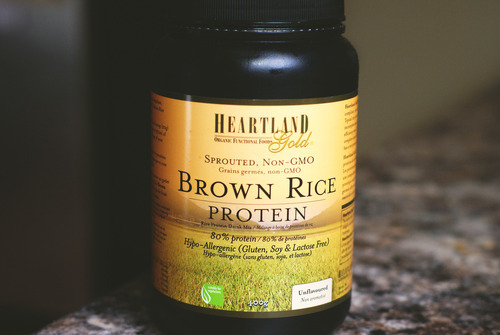
One of the things on that list is sprouted brown rice protein. It’s a perfect protein supplement for vegans, vegetarians, lactose intolerants and even meat eaters! I currently have a strong relationship with Heartland Gold’s Sprouted Brown Rice Protein Powder. It’s non GMO and allergy friendly. Here are 5 Fast Food Facts about sprouted brown rice (protein):
- Helps to promote a healthy balanced sugar as it’s considered to be a low glycemic food
- It’s allergen friendly – no gluten, wheat, dairy, sugar, soy and whey!
- Excellent in amino acids containing all 9 amino acids that are essential to your health and it’s high in iron!
- Low in calories and carbs per scoop (depending on the brand you get)
- It’s a great (and better) alternative to soy and whey protein powders. Some studies have shown that brown rice protein has the same athletic benefits as whey protein. Suitable for someone on a plant based diet who also needs to build muscle and also for muscle recovery and healing!
It has a smooth taste and it’s easy on the stomach. A few years back, I tried Vega’s protein powders and all of their products made my stomach hurt and run to the washroom. I’ve read about many people who complained about it hurting their tummies too and were told that they “would get used to it” after a few uses. I gradually added it to my everyday diet and it still left me with the same results. Maybe it was because of their abundant amount of ingredients mixed together that took a hit at my digestive system?
So I stopped and gave up on protein powders because of them!
One of the most popular health snacks right now are raw protein balls. You can buy them (various health brands) or you can make them yourself and control what’s inside of them. I’m always a big fan of homemade. Plus, they’re super easy to make and since it’s raw, they’re easily accessible! So that meant giving protein powders another chance. Heartland Gold’s Non GMO Sprouted Brown Rice Protein powder is a fantastic brand especially if you’ve just started to introduce protein powders into your diet. I bought this one for $15.99 at my local health store in Toronto.
A great component of this particular protein powder is that it only has one ingredient: Organic Compliant, Sprouted, Non-GMO, Brown Rice Protein Concentrate! With 80 calories per scoop and 16 grams of protein, it’s the perfect addition to your smoothies, blends, hot cereals, pancakes and in this case, protein balls! And the best part? My stomach doesn’t hurt afterwards! Take that Vega!
Now, let’s get our protein on…..
What you’ll need:
1/2 cup of pure roasted almond butter
1 scoop of sprouted brown rice protein (Heartland Gold Sprouted Brown Rice Protein vanilla or unflavoured)
1 cup of raw almonds sliced in halves (or you can use almond shreds but it won’t have that super crunch we want!)
2 tablespoons of organic maca powder
1 packet of stevia
1 teaspoon of organic vanilla extract (alcohol free if possible!)
1 tablespoon of organic coconut oil
2 teaspoons of organic chia seeds
1/2 cup of organic almond flour
1/4 cup of raw cacao powder (you can use carob powder if you want to reduce your caffeine intake!)
Take a spoonful and roll in the palms of your hand in a ball shape. Refrigerate and grab when you need one!
Model Friendly Healthy “Sugar” Cookie
#WHATHEALTHYMODELSEAT
I am very much a cookie person.

I love cookies. As you probably can tell from here and here. And now I have a new favourite recipe. This one is probably the most healthiest batch of cookies I’ve ever baked for myself. It’s a sugar cookie that has absolutely no sugar. I’m sorry guys, you already know how I feel about it. But that doesn’t mean I can’t have cookies. That would just be plain ol’ cruel!
These soft cookies are grain free, soy free, gluten free, sugar free, wheat free, candida-friendly, vegan, preservative free and still good enough for Cookie Monster.
What you’ll need:
Dry Mix
1 cup of organic almond flour (I like JK Gourmet almond product)
1/2 cup of organic coconut flour
1 tsp of baking soda
1/2 cup of granulated xylitol sweetener (XyloSweet is the best for this!)
Wet Mix
3 tbsp of golden flax seed meal
1 tsp of raw apple cider vinegar
1/4 cup of organic virgin coconut oil (melted)
1 tsp of pure vanilla extract or powder (alcohol free)
1/2 cup of full fat coconut milk
Preheat oven to 350 F. Combine all of the “wet mix” ingredients in one bowl. Let stand for a few minutes so that flax meal and liquid create a sweetened “egg-like” goop. Sift together all of the “dry mix” into another bowl. Combine both mixes together and blend until well mixed. Roll out dough onto parchment paper and use your hands to form dough into balls. If it’s not sticking together properly, add a tiny bit more coconut oil. Cut into desired shapes or press down on dough balls with hands for regular shaped cookies. You can sprinkle some more granulated xylitol on top if you wish! Place cookies on a baking sheet lined with parchment paper. Bake for 15 minutes or until golden brown. These will come out really soft so be careful. Let cool for a few minutes before devouring with some almond milk!
Be Your Own (Almond) Milk Man!
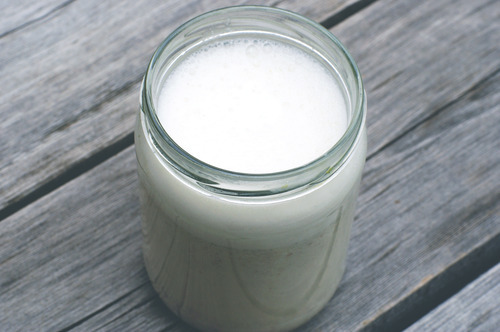
Ditching milk (and all other dairy products) has been one of the best things I could have done for my body. For all of the amazing vegans and lactose intolerant peeps out there, you know how important it is to have almond milk readily accessible in your fridge. Unlike soy or rice milk, it’s gentle and mild on your insides and light enough to serve in your desserts, smoothies and even soups. Best of all, it digests easily in your body unlike conventional milk.
Almond milk is heaven’s dairy-free drink.
So there’s a few leading brands that I’ve tried like Silk, Almond Breeze and even Soy Delicious. Silk’s Pure Almond milk used to be my go to because I found there to be less additives and emulsifiers (weird stuff like tapoica starch, carrageenan, natural flavours, guar gum, etc) compared to the others. It was difficult finding a brand that was actually just “pure” almonds and water.
Then I came across a cheesecloth at the dollar store. What’s a cheesecloth? Don’t worry, it’s vegan. 🙂 Actually, it’s this thin cotton cloth that’s used primarily as a strainer. It was an impulse purchase that day so I had to figure out what to do with it! I decided then that I would make my own almond milk. What’s the healthiest almond milk (or pretty much anything) you can have? The one you make yourself.
Almond (or any nut) milk is one of the easiest raw foods you can make at home from scratch. I found investing just a little effort and time in my own homemade almond milk has paid off in a few ways – easy on the wallet, ingredient control and the knowledge of where it came from!
All you need is:
1 cup of whole raw organic almonds (soak in warm filtered water for 8-12 hours)
4 cups of filtered water (you can add another cup if you don’t want it too rich but you’re better off without it!)
1 teaspoon of pure vanilla extract or flavouring or contents of a vanilla bean
Sweetener of choice like stevia (it’s good without it if you omit)
Additions: cinnamon, cacao, dates (optional)
Blender or Vitamix (Someone please get me a Vitamix!)
After your almonds have soaked, rinse them, drain the water out and place them in the blender. Add cups of water. Blend, blend, blend. Depending on your blender, a minute should do. Pour the almond milk through a kitchen strainer (cheesecloth, mesh milk bag) into a mason jar or a jug. Squeeze the remaining amount of liquid from the strainer. Store in the fridge (covered) and voila, you’re an almond milk man (or woman!)
Don’t throw away the leftover almond meal. You can dry them and use them as flour for desserts to go with your milk. 😉 Happy blending! x
Greenest Vanilla “Milkshake” VeganShake!

#WHATHEALTHYMODELSEAT
Sometimes I can get a tad bit bored with just drinking green juices. Don’t get me wrong – I love them and will try to incorporate in my everyday diet but once in awhile, I get a hankering for something else….
If you remember in a previous post, I made this delicious vanilla veganshake. It’s a yummy treat but doesn’t offer a lot of healthy benefits as green blend or juice.
So I decided to mix the two up to create something just as delicious and nutritious. (I love how both words rhyme by the way.)
This is a great mid day snack, morning breakfast and especially after a workout or heavy activity because of the added brown rice protein powder.
What you’ll need:
1 cup of organic unsweetened coconut milk (I haven’t tried it with the canned full fat though so getting the light version or watered down one reduces the calories)
2 handfuls of organic baby spinach
1 and a half tablespoons of pure almond butter (almonds should be the only ingredient)
2 tablespoons of organic vanilla extract
1 scoop of sprouted brown rice protein powder (vanilla or unflavoured)
1 cup of ice
Combine all of the ingredients in a high speed blender and blend until smooth! Drink right away. 🙂 Makes about 2 servings.
Almonds are the new peanuts!
#WHATHEALTHYMODELSEAT
I love almonds. From raw almonds, almond flour, almond butter, and almond milk. They’ve just been great substitutes for grains flours and dairy products – I couldn’t have done it without them!
One of my favourite treats is this almond butter cup similar to peanut butter cups but BETTER. It doesn’t contain any added preservatives, it’s refined sugar free, dairy free, vegan and wheat/gluten free. The ingredient list is simple, wholesome and yummy. Just how dessert recipes should be! These are also raw so that means no baking and you get to consume ALL of the nutrients and enzymes which foods can lose when you cook or bake them.
Almond flour (in moderation) is a great substitute for grain and/or gluten free baking. It is highly nutritious, simple to use and absolutely delicious! (Unless you’re allergic to nuts then I apologize for this post!) For those of us that watch our glycemic index, you already know that almonds are rich in protein, low in carbs and low in sugars.

Toronto based company Grain Free JK Gourmet makes an excellent quality almond flour product that worked wonderfully for this recipe. Their soft and moist almond flour is made from whole, blanched (some say better for digestion) almonds and….that’s it! 🙂 Unlike some almond flour products (particularly Bob’s Red Mill), this one doesn’t taste processed or have a “gritty” texture so you can be sure that you’re getting the all natural real deal. The results in both raw and baked desserts were perfect!

Okay, so now onto the cups…..
What you’ll need:
Base
1 cup of blanched almond flour (JK Gourmet brand is the best!)
1/4 cup of ground flax meal
2 tablespoons of pure roasted almond butter (or nut/seed butter of choice)
1.5 tablespoons of organic virgin coconut oil, melted
1/4 teaspoon of organic cinnamon
1/4 teaspoon of organic pure vanilla extract
2-3 tablespoons of pure granulated xylitol (adjust to your sweet tooth – sometimes I omit it)
Topping
3 tablespoons of organic virgin coconut oil
1-2 packets of pure stevia (or adjust to your sweet tooth)
2 tablespoons of cacao powder
Combine all the base ingredients in a large bowl and break up any clumps with your fingers. Stir until thoroughly combined. The batter should be sticky like cookie dough. If it’s too wet, add a tiny bit more almond flour or if it’s too dry, add more almond butter. But you most likely you won’t need to. Line a muffin tray with paper liners or use a silicone muffin tray. Portion the dough into each cup and press down evenly until evenly firm and smooth. Put in the fridge or freezer for a few minutes while making the chocolate topping.
In a separate bowl, whisk together the coconut oil, sweetener, cacao powder until no clumps are to be found. If you want you can heat it up in a small saucepan for a smooth dark chocolate result but then you can’t call it raw! I actually like it a tiny bit better. Remove tray from fridge, and evenly distribute the sauce with a spoon of each cup. (Garnish with almond slices if desired.) Place in the freezer on a flat area for 30 minutes, until firm. Pop them out of the cup shells and enjoy right away! Best consumed chilled! Super easy and delicious, right? Try not to make these every other day! 😉 x
Do you understand gluten?
Is gluten free just a trend?
The answer: yes and no. (Warning: this is a very sensitive topic for most people!)
I do eat gluten free. But I’m far from trendy. And no I am not a celiac. So what gives?
First off, let me tell you what gluten is: it’s a sticky protein composite found in many grains including wheat, rye, barley, spelt, oats, kamut, semolina, farina and bulgur. Gluten is the protein found in many grains including wheat, rye, barley, spelt and oats. You ever wonder what gives the elasticity to dough when you’re baking? Well that’s good ol’ gluten for ya. Gluten can also be found in many beauty products, meat products, processed foods, everyday cosmetics and even veggie burgers! Weird, right?
If you have celiac’s disease even a tiny amount of gluten is harmful. It damages the surface of your small intestine resulting in poor absorption of nutrients (protein, fat, vitamins and minerals) which are necessary for your overall good health. Some researches have shown gluten to be a toxin compound which damages the intestines and makes it leaky. They believe that a leaky gut is one of the biggest liability factors for conditions such as diabetes, obesity and autoimmune disease. Hence some reasons why it doesn’t hurt for me to avoid gluten.
There are people who might consider a gluten free diet to be healthy or “great for weight loss.” But that’s not always the case. You can be on a gluten free diet and not lose any weight. It really all depends on how you do gluten free. Even though a product might be labeled free of it, it does not always mean that it’s healthy. There are a ton of unhealthy products on the shelf labeled gluten free that are just as bad as the non gluten versions. This is the importance of reading the ingredients and not just the front of the package. Get smart about reading those important labels!
The problem these days is that a lot of people follow the “gluten free” diet and a) don’t know what it is yet tell you it’s bad for you and b) you can classify it like any other commercialized diet like paleo, weight watchers, macro, etc. I would be inclined to point out that you can’t just do gluten free and eat loads amount of sugar and simple carbohydrates. Just because it’s removed from the diet, does not mean you should ignore everything else that may be bad for you. It should be a lifestyle change with the intent to eliminate other things like it that are more importantly detrimental to the general health: high fructose syrup, trans fat, sugar, wheat, simple carbs, added preservatives, toxins, processed foods, artificial flavours, GMO (soy and corn), dairy, and meat.
Now you don’t need to have full blown celiac to have unfavorable reactions to gluten. You could have a gluten sensitivity and not even know it. There are unwelcoming symptoms similar to celiac disease which include bloating, stomach pain, gastrointestinal problems, fatigue, runny stools and even joint pains. We live in a world where westernized breads, sandwiches, pastas, pizzas, baked goods are all so accessible yet we wonder why sometimes it’s hard for us to lose weight or why we have certain health conditions and problems. Don’t you think it’s crazy that the bulk of North American meals mainly consists of wheat/bread products (which contain gluten btw!)
Though gluten sensitivities are common these days, there are is no apparent definition of gluten sensitivity. The only way to know if it affects you is by eliminating gluten from your diet and see how your body progresses or if symptoms leave. Symptoms can include: acne, skin infections, low energy, bloating, fatigue, stool inconsistency, interrupted digestion, etc. You might be surprised that cutting bread out of your life will do you good! And it’s probably not just the gluten but the consumption of heavy wheat and simple carbs you’re digesting that might also be affecting you. You may have other food sensitivities that you probably don’t know about! Listen to your body.
It really isn’t just for celiacs or gluten intolerants! When properly done, it can be (good) for you too. Here are some health factors on going gluten free: reduces acne, manages eczema, brightens complexions, regulates anemia, reduces bloating, absorb nutrients effectively, helps to regulate bowl movements, regulates hormones, regulates weight, regulates blood sugar, manages acid reflux and can help to reduce other food sensitivities!
For me, going gluten free means cutting out excess carbs out of my diet (breads, cereals, wheat/corn pastas, muffins, crackers, pitas, etc) and eating whole grain foods such as quinoa, millet, buckwheat, amaranth and brown rice! Don’t fret – I still enjoy bread and cakes in moderation but in a healthier way by using grain free ingredients like almond flour and coconut flour instead of wheat. (You probably already know this from previous post recipes.) In a future blog post, I will discuss the importance of a wheat free belly and why I believe everyone should have it!
I’m not a health nutritionist or a food expert but I speak only from my own experiences. At the end of the day, the single most important thing you can do is aim for a healthy, nutritionally balanced, whole foods diet – the key to optimal health!
